Names of countries and capitals are among the oldest words in any language. They were shaped by explorers who misunderstood what they saw, rulers who wanted monuments to their own legacy, indigenous peoples whose words got filtered through foreign tongues, and ordinary geographical features that simply needed describing. The results are sometimes logical, occasionally absurd, and almost always fascinating.
Countries Named by Accident
Few naming stories beat Canada’s for sheer simplicity. When European explorers arrived in the sixteenth century, they heard the Huron-Iroquois word kanata used repeatedly. It simply meant village or settlement. The explorers assumed it referred to the entire territory. A nation of nearly ten million square kilometers got its name because someone pointed at a small cluster of dwellings.
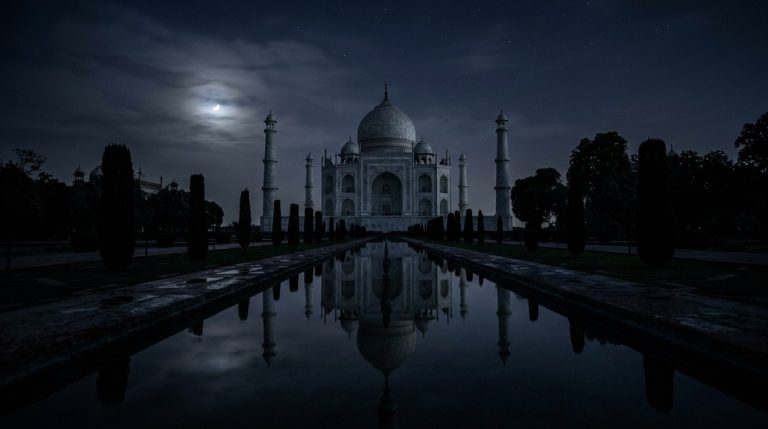
India takes its name from the Indus River, which itself derives from the Sanskrit word Sindhu, meaning river or large body of water. Through Persian, Greek, and eventually English translation, a word that just meant river became the name of a civilization.
Countries Named After People
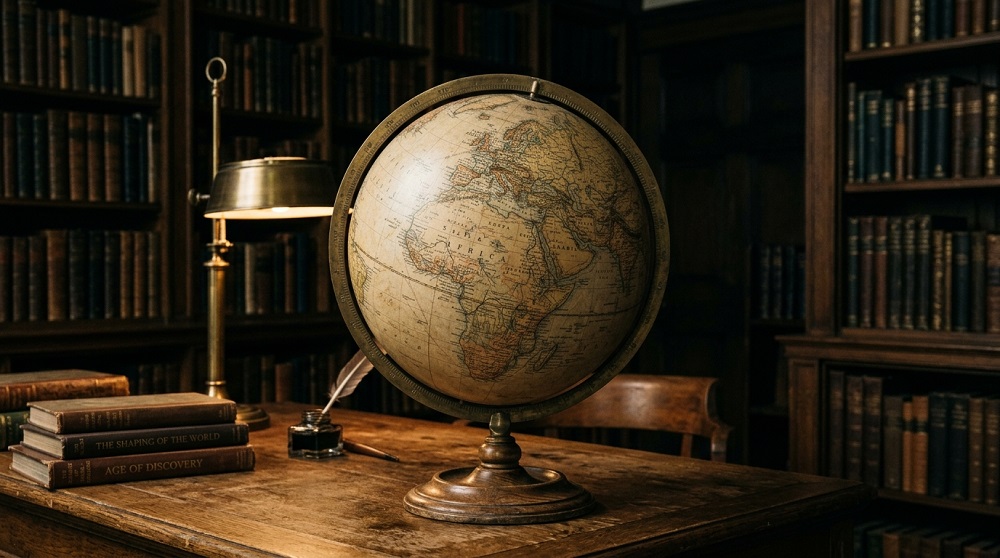
America carries the name of Amerigo Vespucci, an Italian explorer whose detailed accounts of the New World convinced European mapmakers that this was genuinely new land rather than part of Asia. In 1507 a German cartographer named Martin Waldseemüller placed America on a map and the name spread before anyone could argue otherwise. Christopher Columbus, who arrived first, never got the honor.
Bolivia was named for Simón Bolívar, the revolutionary leader who liberated much of South America from Spanish colonial rule. The Philippines were named for King Philip II of Spain by the explorer Ruy López de Villalobos in 1543 — a colonial naming habit that planted European royalty permanently into maps on the other side of the world.
Capitals Carrying Ancient Meanings
Islamabad, Pakistan’s modern capital built in the 1960s, translates cleanly from Urdu and Persian as City of Islam — a deliberate, purposeful choice that announced exactly what the city was meant to represent.
Baghdad, Iraq’s ancient capital, is believed to derive from Middle Persian words meaning God’s gift — a name suggesting divine favor for a city that was once the intellectual center of the entire world during the Islamic Golden Age.
Nairobi, Kenya’s capital, takes its name from a Maasai phrase meaning cool waters — a reference to the Nairobi River and the cold streams in the area long before any city existed there. A rapidly growing modern metropolis still carrying the memory of a cool, quiet waterway.
The Layers Beneath Every Name
What makes country and capital names endlessly interesting is the sheer number of hands they’ve passed through. A word spoken by an indigenous person, misheard by an explorer, written down by a cartographer, printed on maps, and eventually typed into search engines — each step slightly altering the original meaning until what remains is a beautiful, layered mystery.
Every time you name a country on a map, you’re whispering an echo of a story that began long before anyone thought to write it down.