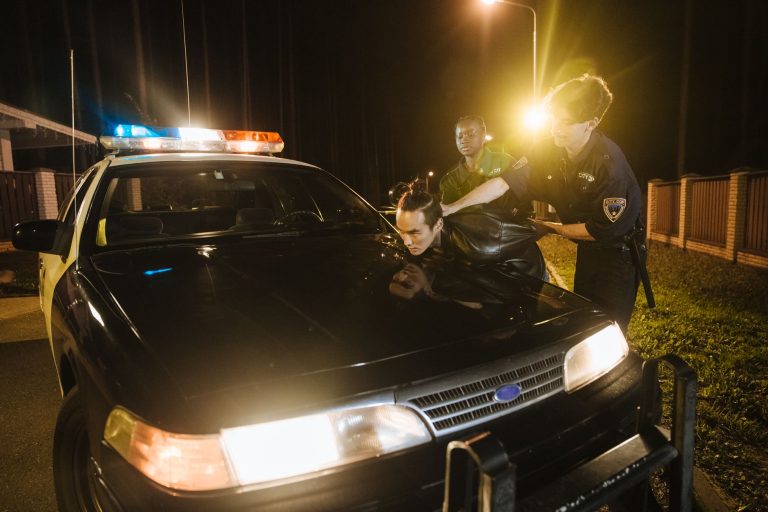
A criminal charge can alter the course of a veteran’s life in a matter of days. Work, family, housing and peace of mind all seem at stake. Veterans Court is an alternate way through the legal system for some veterans in Kansas City, Missouri. There is more to the program than the price. It considers the issues that might have triggered the legal trouble. Treatment, support, judicial oversight and guidance from veteran mentors can all be part of the picture. The Veterans Court is part of the therapeutic court system of the Jackson County Circuit Court. Division 50 currently has Commissioner Tiffany D. Gregg presiding over Veterans Court.
- What Is Kansas City Veterans Court?
- The Aim Is More Than the Criminal Charge
- Old Pro Mentors Can Be the Real McCoy
- Treatment and Accountability are Partners
- What Happens When a Veteran Enters the Program?
- Why Legal Advice Still Matters
- It takes more than court to rebuild a life
- A Charge Doesn’t Have to Dictate a Veteran’s Future
- Frequently Asked Questions
What Is Kansas City Veterans Court?
Kansas City Veterans Court is a specialty court for eligible veterans charged with felony charges. It adopts a treatment-based approach and not only the traditional judicial procedures. The premise is simple: handle the legal case, but also address anything that might impact the veteran’s life. These difficulties might take many different shapes. Some veterans may have substance usage, mental health difficulties, trauma, family hardship and difficulty transitioning to civilian life following duty. Those problems can be harder to manage when you have a criminal case. Veterans Court can link eligible individuals to services but remain involved in their progress. This method can be used to emphasize the greater goal of Kansas City Specialty Courts. In Missouri, Veterans Treatment Courts are a part of the specialty court system.
The Aim Is More Than the Criminal Charge
In a conventional criminal case, the central question frequently boils down to: what happened? Veterans Court may also ask: what created the situation and how can we avoid it from happening again? It’s important. Treatment could be part of the court plan for a veteran who is struggling with substance use. Or for someone else, counseling or other support might be more effective. The court can monitor development over time. Participants may be required to attend treatment, go to court, follow program regulations, and meet other criteria. This is not a free ride. Veterans Court still has responsibilities and supervision of the court. Missed visits, failure to follow program guidelines can cause complications. You have to take the program seriously.
Old Pro Mentors Can Be the Real McCoy
Court staff can offer structure. Treatment providers can give care. But there are times when veterans need someone who’s lived the military life firsthand. Veteran mentors can step in there. Mentor programs described in Missouri Veterans Treatment Court materials are centered on support, listening, encouragement and knowledge of community resources. A mentor can be a solid voice at a stressful time. They can also help a person keep focused as court hearings, rehab, work and family commitments start stacking up. That relationship can be important for someone facing criminal charges who may be feeling alone.
Treatment and Accountability are Partners
Veterans Court is not merely an exit from the legal system. The participant still has to comply with the court’s rules. That is a significant balance. Treatment gives veterans an opportunity to deal with concerns that may have led to their behavior. Accountability provides structure for the process. Participants may be required to attend therapy, follow treatment regimens, report to the court or meet other requirements required by the program. The specific standards vary from situation to case and the circumstances of the participant. Eligibility also varies by court rules and case details. As such, veterans should not assume all criminal matters are eligible.
What Happens When a Veteran Enters the Program?
The method can vary from case to case, but there are certain steps that are similar. First, the veteran’s case must be assessed for eligibility Charges, background, treatment needs and other criteria may be reviewed by the court and any parties involved. If accepted, the participant will be provided with a treatment plan and program requirements. Then we follow the progress from there. The participant might need to go to regular court hearings and treatment sessions. The court team can examine the progress and the challenges along the road. It takes time to be successful. It happens, most often, in modest increments—showing up, keeping plans, being sober when you need to be, and finding the rhythms of each day again. That sounds straightforward. It’s not always easy. But slow development might let a veteran reassert control over aspects of life that once seemed impossible.
Why Legal Advice Still Matters
Some people think, because they’re in a specialty court program, they don’t need a lawyer. That’s not a safe assumption. A veteran charged with a crime has legal rights. The person also has to know what the possible results of the case might be. The questions of eligibility can be complex. Type of offense, past record, court status, and treatment requirements may all be important. An attorney can analyze the case and tell you what options may be available. They can also help a veteran grasp program rules before they make big decisions. Get early legal practice guidance and you can avoid confusion later. Beyond the Bench KC is an organization that promotes awareness and community support for the rehabilitative mission of Specialty Courts in Kansas City. Its work is founded on the concept that it may take addressing the causes of criminal behavior, not merely the punishment that follows, to bring about sustainable change.
It takes more than court to rebuild a life
Finishing a court program is one step. It takes longer to rebuild a steady existence. A veteran may need to mend family connections, find consistent work, manage finances, or reconnect with the community. Those steps matter: Legal turmoil rarely stops at the person charged. Parents are anxious. Worrying spouses. Friends could be speechless. Work is unpredictable. With a robust support structure, a veteran can continue to move forward after the case is closed. Veterans Court is not meant to solve every problem. Instead, it provides an organized opportunity for qualifying veterans to work through legal and personal issues together.
A Charge Doesn’t Have to Dictate a Veteran’s Future
A criminal charge might feel like a lifelong stain. It doesn’t have to be one all the time. Kansas City Veterans judicial offers a treatment-based alternative for qualifying veterans that combines assistance with judicial supervision. The Jackson County Circuit Court continues to offer Veterans Court as part of its therapeutic court model. The first step is to know what the possibilities are. If you or a veteran in your family is facing criminal charges in Kansas City, consult with an experienced criminal defense attorney about your case. Ask about Veterans Court eligibility, potential treatment choices and how the program could impact the case.
Find out about your options now, don’t wait for the next court date. Schedule a case review with an experienced Kansas City criminal defense attorney and get clear direction for your next step.
Frequently Asked Questions
1. Kansas City Veterans Court: What is it and why do we have it?
Short Answer: Veterans Court offers treatment and support for veterans who qualify and are charged with a crime.
Detailed answer: The program includes judicial monitoring as well as treatments that may include substance use, mental health challenges, and other issues. The idea is to help qualifying veterans make lasting adjustments while completing court requirements.”
2. Who is eligible for Veterans Court in Kansas City?
Short answer: eligibility depends on the veteran’s service status, case, charges and other program conditions.
Detailed answer: Not all veterans accused of a crime will qualify. This case has to go through the proper review process. A lawyer can review the charges and tell you if Veterans Court might be a possibility.
3. Does Veterans Court indicate the criminal case is over?
Short answer: No, not automatically.
Detailed answer: It is contingent upon the situation and the provisions of the program. Some specialist court programs have specified outcomes after successful completion, but participants must meet their required requirements. Veterans should seek case-specific legal guidance before participating in any program.
4. What aid is provided for veterans through the program?
The short answer: Support could include treatment, counseling, judicial monitoring, and veteran mentor services.
Detailed answer: Treatment courts are intended to link eligible participants with services that target issues related to their legal concerns. Veteran mentor programs can also offer peer assistance and links to community resources.
5. Do I have to speak to an attorney before I go to Veterans Court?
Short answer: Yes. Legal guidance can help you understand your options before you make any big decisions.
Detailed answer: A criminal defense lawyer can analyze your charges and potential results and talk about whether Veterans Court might be an option for you. Making educated decisions regarding your case can be helped by early advice.