
Key Takeaways
- Compare total costs, not just the listing price.
- Evaluate homes by property type, condition, and major systems.
- Use inspections and property records to identify potential repair needs.
- Consider commute, location, services, and daily lifestyle needs.
- Estimate insurance, taxes, maintenance, and future repair costs.
- Compare offer terms, contingencies, and financing alongside price.
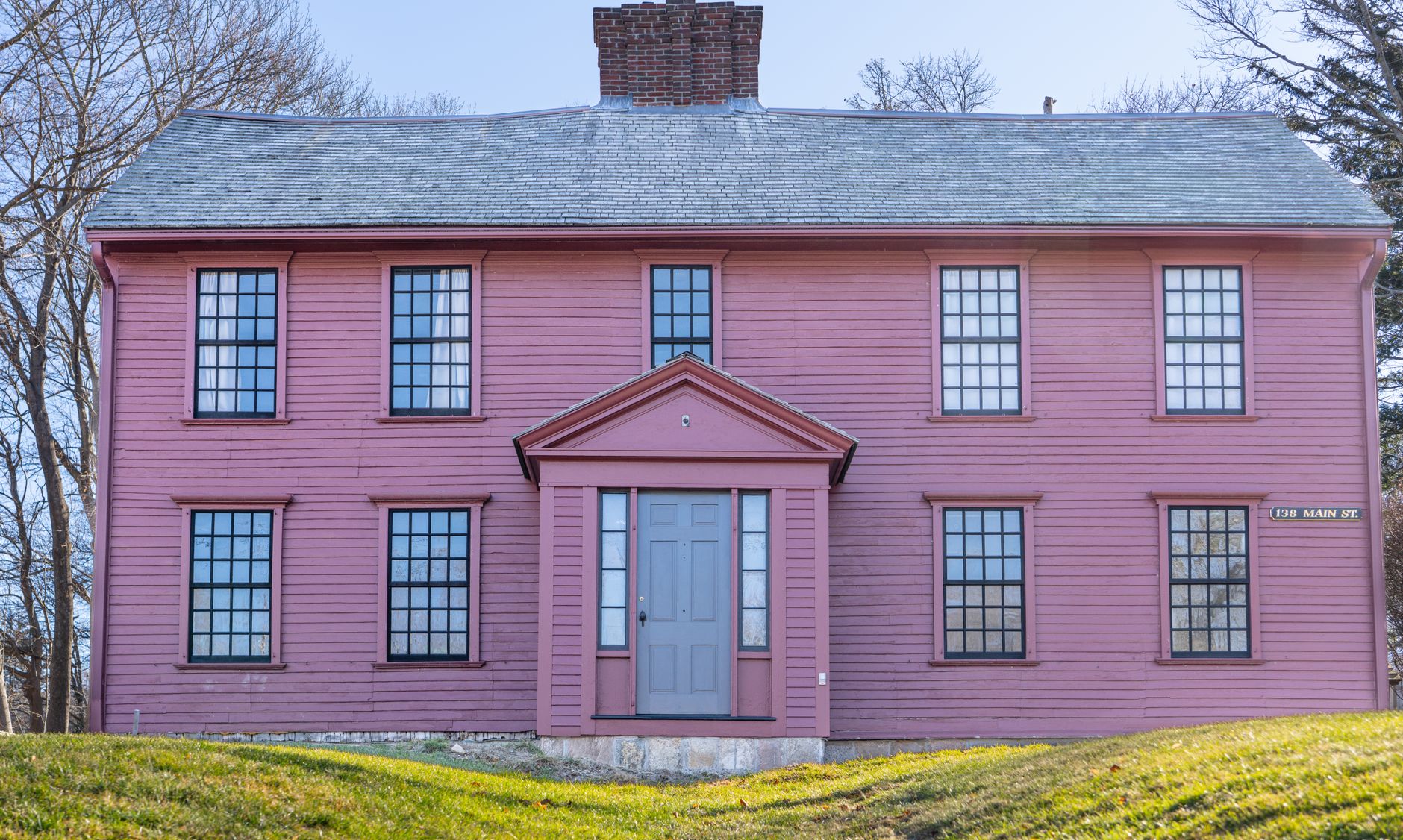
Two Amesbury homes can carry similar list prices yet represent very different purchases. One may have a manageable monthly payment and recently updated systems, while another may need a roof, heating work, or drainage improvements soon after closing. A better comparison looks beyond attractive listing photos and asks the same practical questions about price, condition, and location for every property.
- Key Takeaways
- Start With a Realistic Total Budget
- Compare Similar Property Types
- Look Past Cosmetic Updates
- Use the Home Inspection Wisely
- Compare Amesbury Locations by Daily Routine
- Account for Carrying Costs and Future Repairs
- Build a Simple Home Comparison Scorecard
- Know What Makes a Strong Offer
- Common Questions About Comparing Amesbury Homes
- Final Checklist Before Making a Decision
Buyers who want a perspective on local property types, recent sales, and offer strategy can consult Amesbury real estate experts The Barnes Team. The Barnes Team provides home-search tools and guidance for buyers and sellers in Amesbury, Newburyport, Newbury, and nearby North Shore and Southern New Hampshire communities. Their focus on local residential transactions can help buyers evaluate the tradeoffs behind a price, rather than treating the list price as the whole story.
Start With a Realistic Total Budget
The purchase price is only one piece of affordability. Before becoming attached to a home, estimate the complete monthly and upfront costs. Include mortgage principal and interest, property taxes, homeowners' insurance, any homeowners' association dues, utilities, routine maintenance, closing costs, and moving expenses.
Some properties also call for additional planning. A home near water or in an area where a lender requires it may need flood coverage. A lower-priced home may still create a greater monthly strain if it has high utility use, substantial association fees, or systems nearing replacement. Keep cash reserves beyond the down payment so an unexpected repair does not immediately disrupt the household budget.
Compare Similar Property Types
Price per square foot can be useful, but only when the homes are broadly alike in style, age, condition, and setting. A renovated historic property, a newer single-family home, a downtown condominium, and a two-family property solve different problems for different buyers.
- Single-family homes: Consider lot care, exterior maintenance, privacy, storage, and responsibility for every major system.
- Condos and townhomes: Review association fees, rules, reserve funding, shared maintenance obligations, rental restrictions, and the possibility of special assessments.
- Two-family homes: Evaluate separate utilities, maintenance needs, lease terms if occupied, and whether managing a rental unit fits your goals.
A bright kitchen can be appealing in any property type, but it does not make the ongoing ownership responsibilities identical. Compare homes within their category before deciding one represents a bargain.
Look Past Cosmetic Updates
Fresh paint, new fixtures, and updated counters improve presentation, but they are not the same as major system improvements. Ask about the age, condition, and service history of the roof, heating and cooling equipment, electrical panel and wiring, plumbing, windows, foundation, drainage, and septic system or sewer connection.
When available, request permits, invoices, warranties, and maintenance records. Documentation can clarify the scope of work and help distinguish a full replacement from a surface-level update. It also gives buyers better questions to bring to an inspector or contractor.
Use the Home Inspection Wisely
A standard inspection is a visual assessment, not a warranty or a prediction that every component will last a specific number of years. Still, it can identify visible concerns involving structural components, electrical systems, plumbing, heating, roofing, drainage, and other accessible areas.
Older New England homes may warrant close attention to moisture, drainage, outdated wiring, heating equipment, and evidence of long-term wear. Do not read an inspection report as a pass-or-fail grade. Sort findings into three groups:
- Safety, structural, or water-intrusion concerns that need prompt evaluation.
- Near-term repairs or replacements that should affect the budget and negotiations.
- Cosmetic items and routine maintenance can be planned over time.
Inspection contingencies can provide an opportunity to review findings before proceeding. Removing protections may make an offer more competitive, but it can also shift more repair risk to the buyer. Discuss the implications with qualified legal, lending, and real estate professionals before choosing terms.
Compare Amesbury Locations by Daily Routine
Location affects life after closing. Amesbury includes a mix of downtown settings, residential streets, wooded areas, river-adjacent locations, and homes with different access to regional routes. The city's history and geography help explain why nearby properties can feel noticeably different from one another.
Visit a serious contender more than once, including during a likely commute period. Consider the route to work or school, access to major roads, noise, traffic, walkability, nearby services, outdoor space, cell reception, internet availability, and the practical effect of the lot's position. A beautiful house cannot change a commute, a busy road, or a setting that does not suit your routine.
Account for Carrying Costs and Future Repairs
Two homes at the same sale price can have different carrying costs. Insurance quotes may vary based on the property's age, construction, roof condition, and location. Property taxes should be reviewed through the available municipal records, since assessed value and local tax rates affect the bill. Request insurance estimates early enough to factor them into the decision.
Create a simple five-year repair forecast for major items such as roofing, heating equipment, siding, windows, paving, and drainage. The goal is not perfect prediction. It is to determine whether the home remains financially comfortable after accounting for ordinary ownership needs.
Build a Simple Home Comparison Scorecard
Give each category a score from one to five after every showing and update it once disclosures, inspections, and quotes are available:
- Monthly cost: Does the full payment fit comfortably within the budget?
- Condition: Are major systems reliable, documented, and appropriate for the asking price?
- Location: Does the setting support the buyer's daily routine and preferences?
- Future flexibility: Will the layout work if household needs, work arrangements, or mobility needs change?
- Resale potential: Would the features, layout, and location likely appeal to future buyers?
A scorecard is not professional advice. Its value lies in making trade-offs visible when several homes each have appealing yet imperfect qualities.
Know What Makes a Strong Offer
The highest offer is not always the strongest offer. Sellers may also consider the buyer's pre-approval, down payment, financing terms, appraisal provisions, inspection terms, contingencies, and proposed closing date. For example, an offer with a slightly lower price but dependable financing and a practical closing timeline may be more attractive than a higher offer with uncertain terms.
Common Questions About Comparing Amesbury Homes
Should buyers focus on price or monthly payment?
Monthly payment usually provides a clearer picture of affordability because it includes financing, taxes, insurance, association fees (when applicable), and expected maintenance.
Is a smaller updated home better than a larger older home?
It depends on space needs, storage, repair tolerance, available reserves, and future plans. Neither choice is automatically better.
Should buyers waive the inspection?
Waiving an inspection can reduce protections and increase the buyer's exposure to repair costs. Understand the tradeoff before making that decision.
Final Checklist Before Making a Decision
- Confirm the full monthly payment and available cash reserves.
- Request an insurance estimate and review property tax information.
- Compare recent sales and similar property types.
- Review major-system ages and available records.
- Schedule a professional inspection when appropriate.
- Visit at different times of day and test key routes.
- Compare offer terms, not only price.
The best Amesbury home is not necessarily the newest, largest, or least expensive option. It is the property that fits the buyer's budget, lifestyle, comfort with repairs, and long-term plans. A careful comparison of price, condition, and location creates a more confident decision well beyond closing day.





2 thoughts on “How to Compare Amesbury, Massachusetts Homes: Price, Condition, and Location”