
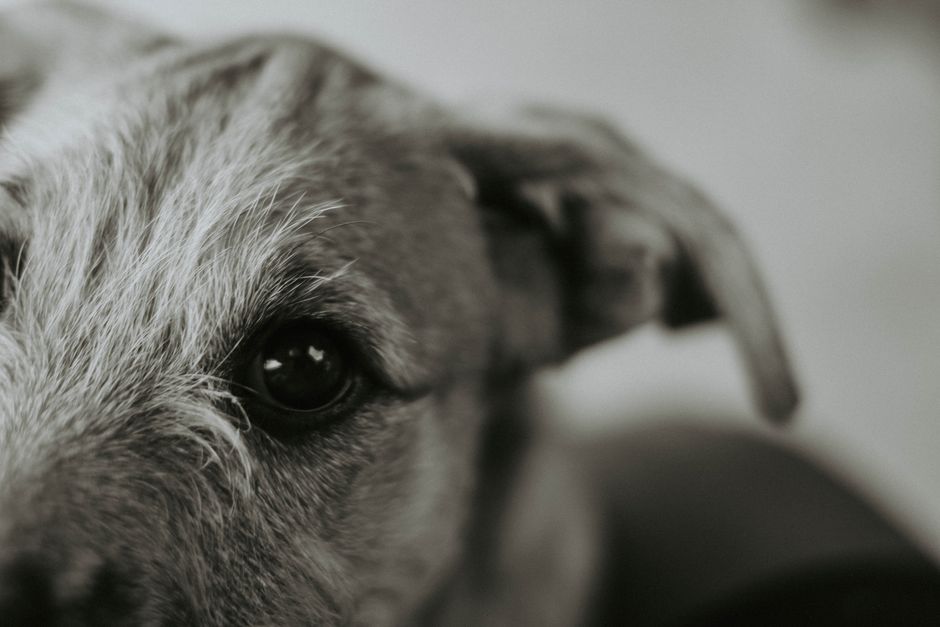
A corneal ulcer in a dog's eye can be a distressing experience for both the pet and the owner. This condition is common and can lead to severe complications if not attended to promptly. A dog eye corneal ulcer occurs when there is a loss of the outer layer of cells on the cornea, known as the corneal epithelium. The importance of early diagnosis and treatment cannot be overstated, as this ulceration can progress rapidly, resulting in significant discomfort and potential sight loss for the dog.
Anatomy and Function of the Canine Cornea
Understanding the anatomy of a dog's eye is crucial to appreciating how a corneal ulcer develops. The cornea is the transparent, dome-shaped surface that covers the eye, performing several vital roles. Its functions include focusing light onto the retina and protecting the inner structures of the eye from infections and injuries. Comprising several layers—epithelium, stroma, Descemet’s membrane, and endothelium—the cornea is both resilient and vulnerable. Any breaks in the epithelial barrier expose the underlying layers to bacteria and irritants, increasing the risk of ulceration.
Causes of Corneal Ulcers in Dogs
Corneal ulcers in dogs can arise from various causes. Trauma is a common cause, ranging from scratches by foreign objects like plant material to more aggressive interactions during play or fights with other animals. Infections caused by bacteria, viruses, or fungi can also result in ulcers, particularly if the cornea is already compromised by an injury or a foreign body. Moreover, certain breeds with protruding eyes, such as Pugs and Bulldogs, are predisposed to this condition due to increased exposure and reduced blink reflex.
Symptoms and Diagnosis
Recognising the symptoms of a corneal ulcer early is key in preventing severe damage. Common signs that a dog may have a corneal ulcer include excessive blinking or squinting, eye redness, tearing or discharge, and noticeable cloudiness or a visible spot on the cornea. A dog may also exhibit signs of pain, such as pawing at the eye or displaying general irritability. Accurate diagnosis by a veterinary professional involves techniques such as fluorescein staining, where dye highlights the damaged areas of the cornea, allowing for a clear visual confirmation of an ulcer.
Treatment Options
The treatment of corneal ulcers in dogs varies depending on the severity and underlying cause. In minor cases, a veterinarian might prescribe topical antibiotic drops or ointments to combat infection and aid healing. Anti-inflammatory medications may also be used to reduce pain and swelling. In more severe or persistent cases, additional interventions such as the debridement of the ulcer, conjunctival graft surgery, or even keratotomy procedures may be necessary to facilitate healing. Strict adherence to prescribed treatments and follow-up visits are crucial to ensure a successful recovery and prevent further complications.
Complications and Prognosis
While many cases of corneal ulcers resolve with prompt treatment, complications can occur if the condition is left untreated. These complications might include the deepening of the ulcer, leading to possible corneal perforation and subsequent loss of vision. In chronic cases or those with persistent causes such as underlying systemic diseases or eyelid deformities, the prognosis can be more guarded. Surgical intervention might be required to ensure the integrity of the eye is maintained. The long-term outlook largely depends on the ulcer's initial severity, promptness of treatment, and resolution of any predisposed conditions.

Preventative Measures
Preventing corneal ulcers involves a multifaceted approach aimed at reducing risk factors where possible. Ensuring a clean living environment and regularly trimming facial hair around the eyes can minimize mechanical irritation. Dogs that are prone to eye conditions may benefit from protective eyewear in adverse environments. Additionally, regular veterinary eye examinations are essential for early detection and management of any predisposing factors such as entropion or dry eye conditions.
Role of Specialist Veterinary Ophthalmologists
When dealing with complex or recurring eye conditions, the expertise of a veterinary ophthalmologist is invaluable. These specialists possess the advanced training and techniques necessary for managing complicated cases of corneal ulceration. Comprehensive examinations by an ophthalmologist provide insights into the exact nature and cause of the ulcer, guiding the selection of appropriate treatments and surgical options if required. This level of specialised care enhances the prospects of a favourable recovery and long-term ocular health for the affected animal.
Importance of Owner Vigilance
As with many health issues in pets, an owner's vigilance plays a critical role in the early identification and treatment of corneal ulcers. Being observant of any changes in a dog’s behaviour or eye appearance can lead to more timely interventions. Owners should also be informed about the potential risks associated with certain activities, such as playing with cats or spending time in dense underbrush where eye injuries might occur more easily.
Conclusion
Corneal ulcers in dogs are a significant health concern that requires prompt attention and a structured approach to treatment. With a thorough understanding of the condition, diligent monitoring for symptoms, and proper veterinary care, many dogs can recover from this potentially serious eye disorder. Regular check-ups and preventative measures further ensure that dogs remain healthy and protected from future eye problems. The collaboration between attentive pet owners and knowledgeable veterinary professionals is key to managing and overcoming the challenges posed by corneal ulcers.