
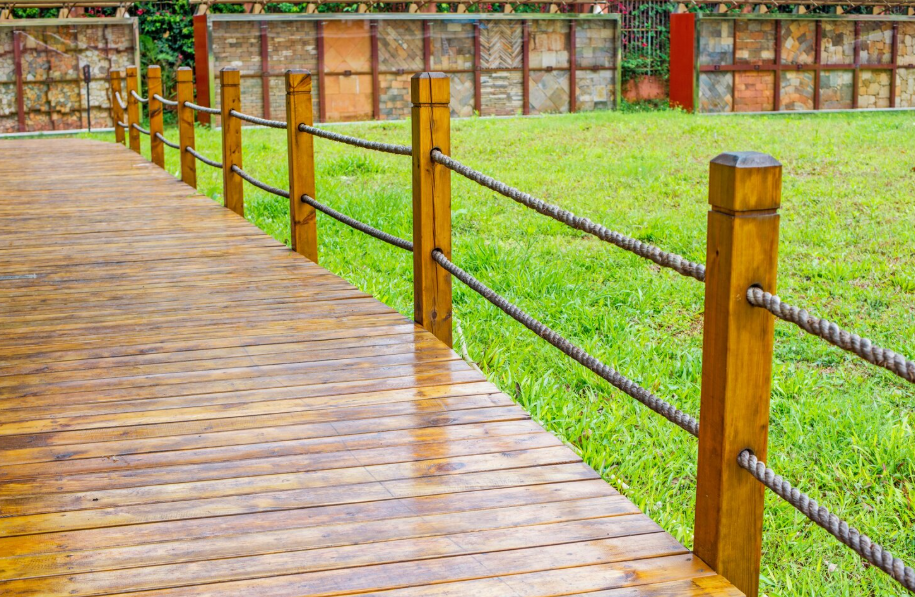
A well-designed outdoor deck can transform an ordinary outdoor area into a comfortable space for relaxing, entertaining, or spending time with family and friends. Whether installed in a garden, courtyard, patio, balcony, or poolside area, decking adds both functionality and visual appeal to a property.
- Understanding Timber Wood Decking
- Benefits of Natural Timber
- Choosing the Right Timber Species
- Climate and Environmental Considerations
- The Importance of Professional Installation
- Maintaining Timber Decking
- Safety Considerations
- Enhancing Outdoor Living Spaces
- Considering Long-Term Value
- Planning Before Installation
- Conclusion
Among the many decking materials available, timber decking continues to be a preferred choice for homeowners because of its natural beauty and timeless character. Every timber board has its own grain patterns, textures, and colour variations, giving each deck a unique appearance that complements both traditional and contemporary homes. Quality timber wood decking in Singapore offers an attractive outdoor flooring solution that combines natural aesthetics with durability when properly installed and maintained.
However, installing timber decking involves more than selecting attractive boards. Understanding the different timber options, maintenance requirements, installation considerations, and long-term care helps property owners make informed decisions before beginning a decking project.
Understanding Timber Wood Decking
Timber wood decking is constructed using natural wood boards that are installed over a supporting framework to create a durable outdoor surface.
Different timber species offer varying levels of strength, durability, appearance, and resistance to weather conditions.
Some timbers are naturally resistant to decay and insects, while others require treatment to improve their outdoor performance.
Choosing the right timber depends on several factors, including the local climate, intended use, desired appearance, maintenance expectations, and overall budget.
Understanding these characteristics allows homeowners to select materials that best suit their outdoor living space.
Benefits of Natural Timber
One of timber's greatest strengths is its natural appearance.
Unlike manufactured materials, timber displays unique grain patterns and colour variations that create warmth and character.
Many homeowners appreciate the authentic look of natural wood because it blends well with gardens, landscaping, and surrounding outdoor features.
Timber is also highly versatile and can be stained or finished in various colours to complement different architectural styles.
As the timber ages, some species develop attractive natural weathering that many property owners find appealing.
The timeless appearance of timber remains one of its biggest advantages.
Choosing the Right Timber Species
Not all timber performs the same way outdoors.
Hardwoods are generally denser and more durable than softwoods, making them a popular choice for decking applications that experience regular use.
Some hardwood species naturally resist moisture, termites, and fungal decay, making them well-suited to outdoor environments.
Softwoods may offer a more economical option but often require pressure treatment or protective coatings to improve their durability.
When selecting timber, homeowners should consider factors such as expected lifespan, maintenance requirements, availability, and environmental conditions.
Seeking professional advice can help identify the most suitable timber for a particular project.
Climate and Environmental Considerations
Outdoor decking is constantly exposed to changing weather conditions.
Rain, humidity, sunlight, and temperature fluctuations all influence how timber performs over time.
In warmer climates, prolonged exposure to ultraviolet rays may gradually affect the timber's colour.
Moisture can also influence expansion and contraction as timber naturally responds to environmental conditions.
Proper design, drainage, ventilation, and installation techniques help reduce these effects and support the long-term performance of the deck.
Selecting timber that is appropriate for the local climate contributes to greater durability.
The Importance of Professional Installation
Quality installation is just as important as selecting quality timber.
A professionally installed deck begins with careful planning, including site preparation, structural support, drainage, and compliance with relevant building requirements.
The supporting framework must be properly designed to carry expected loads while maintaining stability over many years.
Correct spacing between boards allows for natural timber movement and adequate drainage.
Professional installers also understand fastening methods, finishing techniques, and construction practices that contribute to both safety and longevity.
A well-installed deck is less likely to develop avoidable structural or maintenance issues.
Maintaining Timber Decking
Unlike some composite materials, natural timber requires ongoing maintenance to preserve its appearance and condition.
Regular cleaning removes dirt, leaves, mould, and debris that may accumulate on the surface.
Depending on the timber species and environmental exposure, periodic sealing, staining, or oiling may also be recommended.
Protective finishes help reduce moisture penetration while maintaining the timber's colour and overall appearance.
Routine inspections can identify loose fasteners, surface wear, or early signs of damage before they develop into more significant problems.
Consistent maintenance helps maximise the lifespan of the decking.
Safety Considerations
Safety should always be considered when planning a timber decking project.
The deck should provide a stable, level surface with appropriate structural support.
If the deck is elevated, suitable balustrades and handrails may be required depending on local building regulations.
Slip resistance is another important factor, particularly in areas exposed to rain or around swimming pools.
Regular maintenance also contributes to safety by preventing damaged boards or loose components from creating hazards.
Professional installation helps ensure the finished deck meets appropriate safety standards.
Enhancing Outdoor Living Spaces
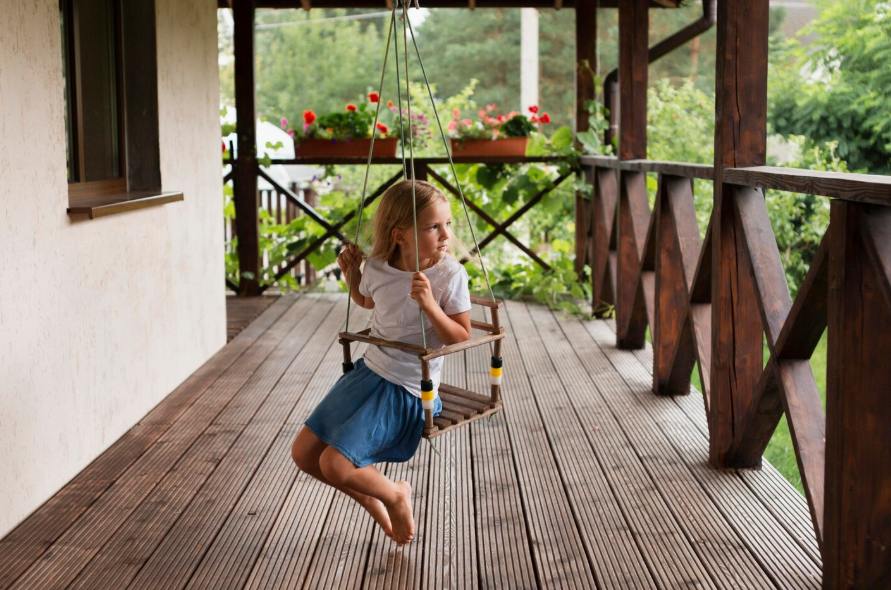
Timber decking creates opportunities to extend usable living space beyond the home.
Many homeowners use decking to create outdoor dining areas, entertainment spaces, garden seating, barbecue areas, or poolside relaxation zones.
The natural warmth of timber often creates an inviting atmosphere that blends comfortably with landscaping and outdoor furniture.
Lighting, planters, pergolas, and shade structures can further enhance the finished space.
Well-designed decking increases both the functionality and enjoyment of outdoor areas throughout the year.
Considering Long-Term Value
Although timber decking requires more maintenance than some alternative materials, many homeowners consider the investment worthwhile because of its appearance and versatility.
A well-maintained timber deck can provide many years of reliable performance while enhancing the overall presentation of the property.
Quality materials, professional installation, and regular care all contribute to long-term value.
When properly maintained, timber continues to offer an attractive outdoor solution that remains popular across a wide range of residential projects.
Planning Before Installation
Before beginning a decking project, it is helpful to consider how the space will be used.
The intended purpose influences the deck's size, layout, structural requirements, and material selection.
Factors such as furniture placement, foot traffic, exposure to sunlight, drainage, and future maintenance should all be considered during the planning stage.
Working with experienced professionals helps ensure the finished deck meets both practical requirements and aesthetic preferences.
Careful planning often leads to a more successful and longer-lasting result.
Conclusion
Timber wood decking remains a popular choice for homeowners seeking a natural, attractive, and versatile outdoor living space. Its unique appearance, design flexibility, and timeless appeal continue to make it a preferred material for gardens, patios, balconies, and entertainment areas.
Understanding the different timber options, installation requirements, maintenance responsibilities, and long-term considerations helps property owners make informed decisions before beginning a decking project. With quality materials, professional installation, and regular care, timber decking can provide lasting beauty and functionality for many years.