

Selecting a preschool is one of the first major educational decisions parents make. The preschool years are an important stage where children begin developing essential skills, building confidence, and learning how to interact with others in a structured environment. Little Footprints Preschool – Infant Care & Preschool in Jurong West provides a nurturing environment where young children can develop essential skills while receiving quality early childhood care and education.
- Understanding the Purpose of Preschool Education
- Why Location Matters When Choosing a Preschool
- Evaluating the Preschool Curriculum
- Understanding Different Teaching Approaches
- The Importance of Experienced Teachers
- Looking at the Learning Environment and Facilities
- Supporting Social and Emotional Growth
- Preparing Children for Primary School
- How Parents Can Make a Better Decision
- Conclusion
For families looking for a preschool in Jurong West, there are many factors to consider before making a decision. Beyond location and convenience, parents should evaluate the school's curriculum, teaching methods, learning environment, facilities, and approach to supporting children's development.
A suitable preschool should provide a balance between learning and play, helping children develop academically, socially, emotionally, and physically while creating a positive foundation for future education.
Understanding the Purpose of Preschool Education
Preschool education focuses on preparing young children for their next stage of learning while supporting overall development.
At this age, children learn best through exploration, interaction, and hands-on activities rather than traditional academic methods alone. A quality preschool creates opportunities for children to develop language skills, early numeracy abilities, creativity, problem-solving skills, and social awareness.
The goal is not simply to teach children basic subjects but to encourage curiosity and build confidence in their ability to learn.
Preschool also helps children become familiar with routines, classroom expectations, and group activities, making the eventual transition to primary school easier.
Why Location Matters When Choosing a Preschool
For many parents, location is one of the most practical considerations when selecting a preschool.
A preschool located near home or the workplace can make daily routines more manageable. Shorter travel times may reduce stress, especially during busy mornings or when children are adjusting to a new environment.
Jurong West is a residential area with many families, making accessibility an important factor when parents compare early childhood education options.
A convenient location also allows children to settle into a consistent routine, which can support their sense of security and comfort.
However, while location is important, parents should also consider whether the preschool's educational approach and environment meet their child's individual needs.
Evaluating the Preschool Curriculum
A preschool curriculum should support different areas of childhood development.
Language development helps children improve communication skills, vocabulary, listening ability, and confidence when expressing themselves.
Early mathematics activities introduce concepts such as counting, patterns, comparisons, and basic problem-solving through engaging exercises.
Creative activities involving art, music, storytelling, and movement encourage imagination and self-expression.
Physical activities support coordination, balance, and healthy development, while social activities teach children how to cooperate, share, and build friendships.
A balanced curriculum ensures children receive a well-rounded learning experience rather than focusing only on academic preparation.
Understanding Different Teaching Approaches
Preschools may use different teaching methods depending on their educational philosophy.
Some programmes emphasise play-based learning, where children develop skills through games, exploration, and hands-on activities.
Others may include more structured lessons designed to introduce early academic concepts.
Neither approach is suitable for every child. Parents should consider their child's personality, interests, and learning style when evaluating different options.
Young children benefit from learning environments that encourage participation, curiosity, and confidence rather than creating unnecessary pressure.
A good preschool combines guidance with opportunities for children to explore independently.
The Importance of Experienced Teachers
Teachers play a major role in shaping a child's preschool experience.
Qualified and caring educators understand how young children learn and know how to create supportive classroom environments.
Beyond teaching lessons, preschool teachers help children develop independence, manage emotions, solve problems, and interact positively with classmates.
Parents should consider factors such as teacher experience, communication style, and how educators support children's individual development.
A positive relationship between teachers and students helps children feel safe and comfortable, encouraging them to participate actively in learning activities.
Looking at the Learning Environment and Facilities
The preschool environment can influence how children engage with learning.
A well-designed classroom should be safe, organised, and suitable for young children. Spaces for reading, creative activities, group discussions, and play allow children to explore different interests.
Outdoor areas and physical activity spaces are also valuable because movement is an important part of early childhood development.
Parents may also consider hygiene standards, safety measures, classroom size, and supervision practices when visiting a preschool.
A comfortable and secure environment helps children focus on learning while giving parents greater confidence in their child's daily experience.
Supporting Social and Emotional Growth
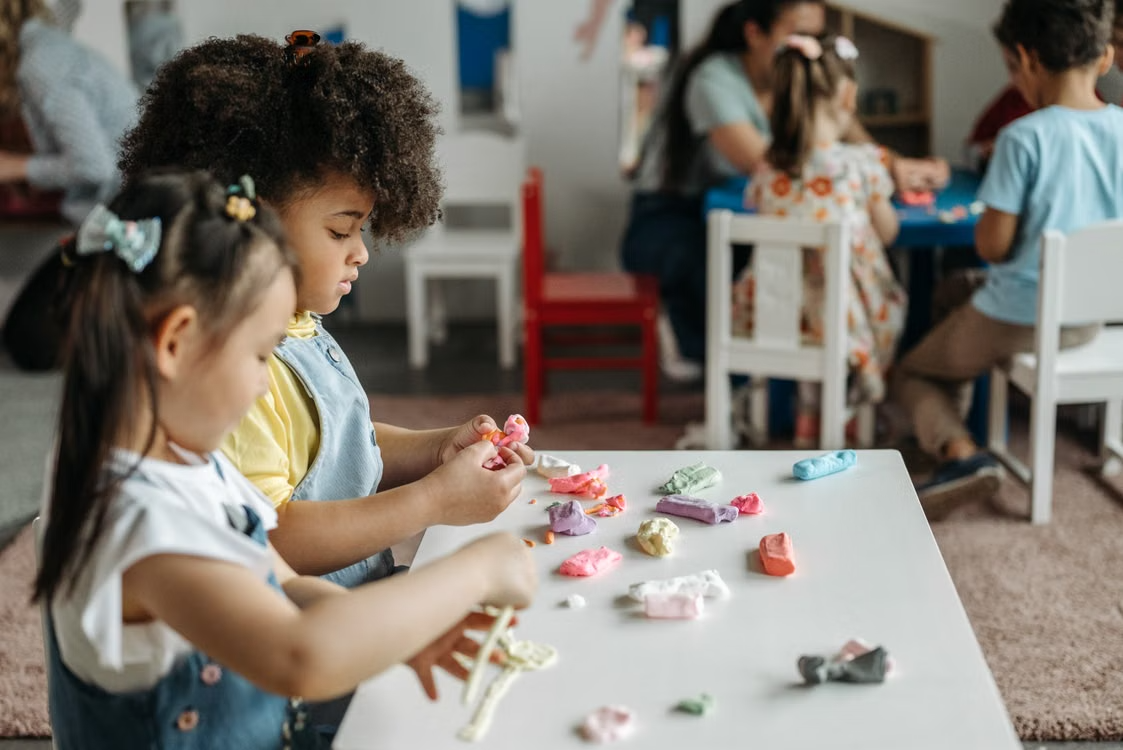
Preschool is often a child's first regular experience interacting with a larger group of peers.
Through classroom routines and group activities, children learn important social skills such as sharing, communication, teamwork, and empathy.
Teachers help children understand emotions, resolve conflicts, and develop confidence when interacting with others.
These skills are essential not only during preschool but also throughout later education and everyday life.
A preschool that prioritises emotional development helps children become more independent and adaptable.
Preparing Children for Primary School
A strong preschool programme helps children develop the skills needed for a smooth transition into primary education.
This includes early literacy and numeracy skills, but also practical abilities such as following instructions, completing tasks, asking questions, and working with others.
Children who develop confidence and positive learning habits during preschool may find it easier to adapt to new academic environments.
The focus should be on building a strong foundation rather than placing excessive pressure on young learners.
How Parents Can Make a Better Decision
Choosing a preschool requires careful consideration because every child has different needs.
Parents can start by researching available options, reviewing programme details, and visiting schools to observe the learning environment.
During visits, consider how teachers interact with children, whether students appear engaged, and whether the overall atmosphere feels welcoming.
It can also be helpful to ask about daily routines, curriculum goals, communication with parents, and how the preschool supports children's individual development.
Taking time to compare options helps parents choose a preschool where their child can grow comfortably and confidently.
Conclusion
Finding the right preschool in Jurong West involves more than selecting a convenient location. Parents should consider the curriculum, teaching approach, teacher quality, facilities, and overall learning environment to ensure the preschool meets their child's developmental needs.
A quality preschool provides children with opportunities to learn, explore, build friendships, and develop confidence in a supportive setting. By making an informed choice, parents can give their children a strong foundation for future education while allowing them to enjoy an important stage of childhood.





1 thought on “Preschool in Jurong West: What Parents Should Know Before Enrolling”