Not too long ago, the idea of telling your house to turn off the lights felt like something out of a science fiction film. Today, it’s Tuesday morning and you’re doing exactly that from your bed, half-asleep, with one eye open. Smart home technology has quietly moved from novelty to necessity — and if you haven’t explored it yet, you might be surprised how approachable it actually is.
Here’s a honest, jargon-free look at the technologies worth knowing about.
Smart Speakers and Voice Assistants
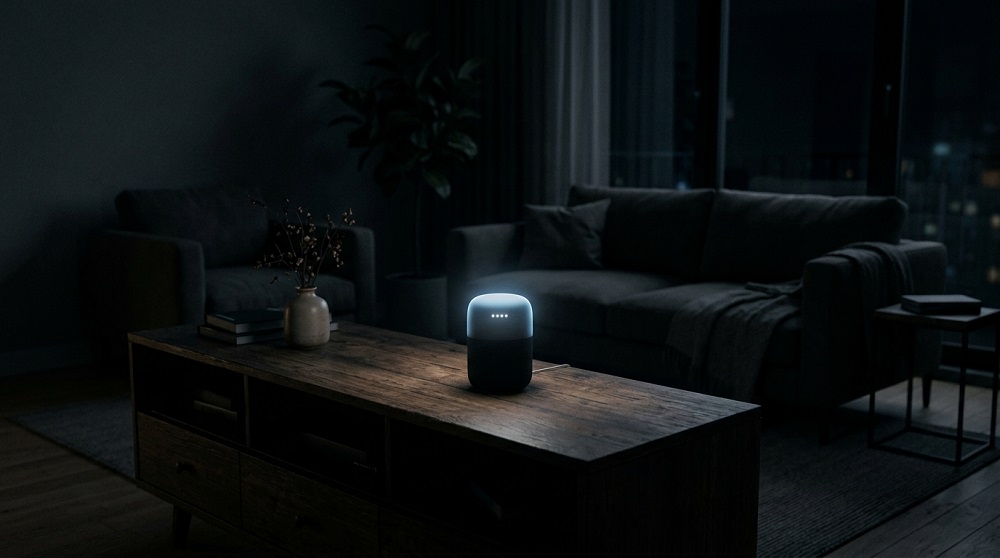
This is usually where most people begin, and for good reason. Devices like Amazon Echo or Google Nest Hub act as the central nervous system of a smart home. You speak, they respond. Set timers, play music, check the weather, control other smart devices — all hands-free. Once you’ve lived with one for a week, you’ll wonder how you managed without it.
Smart Lighting
Swapping regular bulbs for smart ones is one of the easiest upgrades you can make. Brands like Philips Hue let you control brightness and color from your phone, set schedules, or even sync lights to your music. Beyond the fun factor, there’s real practicality here — lights that automatically turn off when you leave a room can meaningfully cut your electricity bill over time.
Smart Thermostats
A smart thermostat like Google Nest or Ecobee learns your routine over time. It figures out when you’re home, when you’re asleep, when the house is empty — and adjusts accordingly. Most homeowners report noticeable savings on heating and cooling costs within the first few months. It’s one of those rare gadgets that genuinely pays for itself.
Video Doorbells and Smart Security
The video doorbell has quietly become one of the most popular smart home devices around. Ring and similar brands let you see, hear, and speak to whoever’s at your door — even when you’re on the other side of the world. Pair that with smart locks that let you grant or revoke access remotely, and your front door becomes a lot more intelligent than it used to be.
Smart Plugs
If you’re not ready to replace appliances, smart plugs are a brilliant shortcut. Plug any regular device into one, and suddenly it becomes “smart.” Schedule your coffee maker to start brewing at 7 a.m. Turn off the iron you forgot about from your office. It’s a small thing that quietly makes daily life smoother.
Home Automation Hubs
As you add more devices, you’ll want them talking to each other. Platforms like Apple HomeKit, Amazon Alexa, or Google Home bring everything under one roof — one app, one voice command, one routine that triggers everything at once.
Where to Start
The honest advice? Pick one problem you want to solve and start there. Cold mornings? Get a smart thermostat. Forgetting to lock the door? Try a smart lock. You don’t need to overhaul everything at once.
Smart home technology works best when it quietly disappears into the background — making life easier without demanding your attention. That’s when you know you’ve done it right.