
Link building conversations tend to focus on tactics which templates to use, how many follow-ups to send, which metrics to prioritize when selecting targets. What rarely gets discussed is the role that brand perception plays in whether outreach succeeds or fails.
When an editor receives an outreach email and decides to investigate the sender's site before replying, what they find shapes their decision more than the email itself. A site that looks credible, professional, and established creates a very different first impression than one that looks unfinished or generic and that impression directly affects reply rates and link placements.
What Editors Actually Look For
Before agreeing to feature a link or accept a guest post, most editors do a quick evaluation of the submitting site. They check whether the content quality is consistent, whether the site appears to have a real audience, and whether associating their publication with yours makes editorial sense.
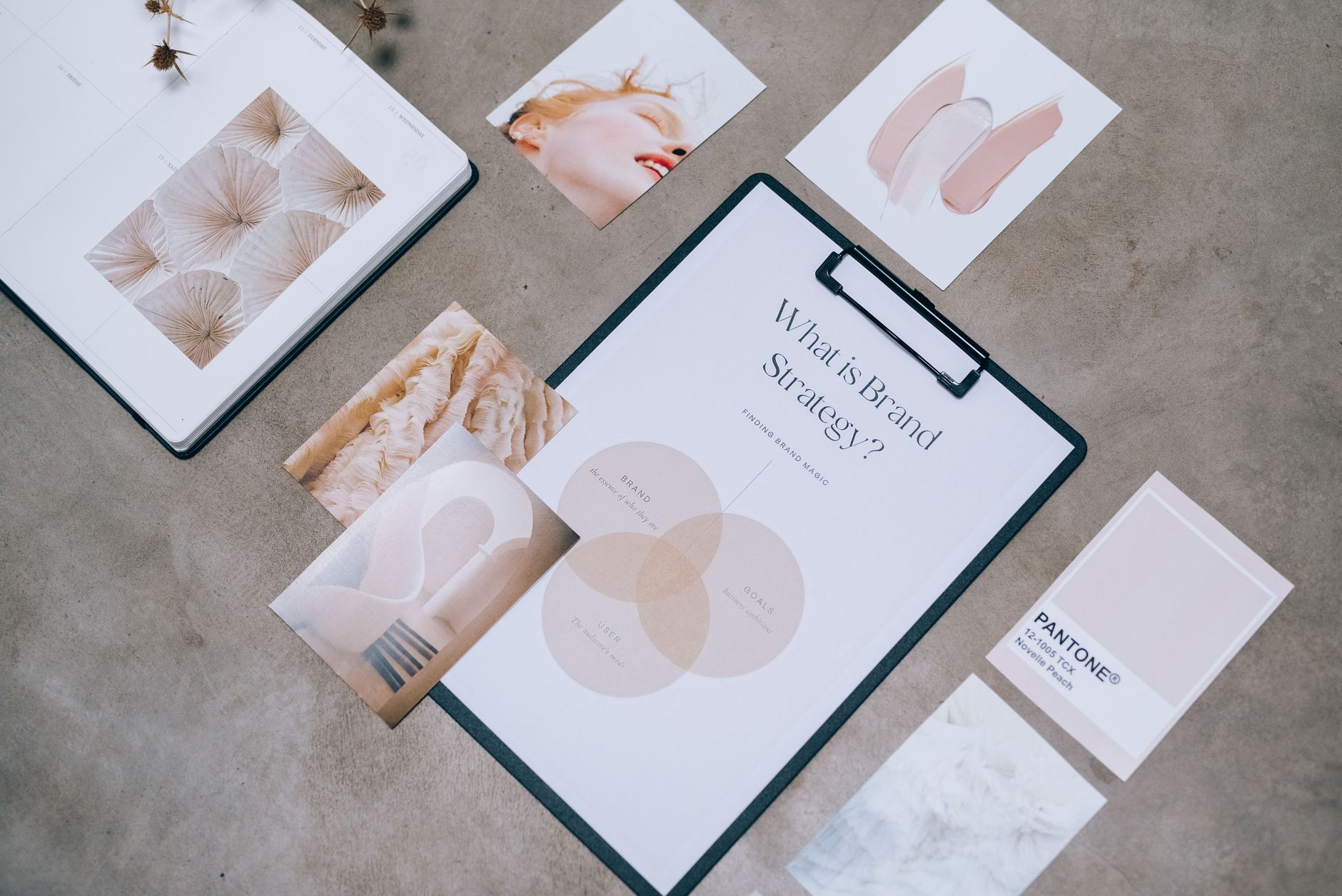
Visual credibility is one of the first signals they read. A site with a clear logo, a consistent color palette, and a professional overall appearance communicates that the brand behind it is serious. A site without these fundamentals raises immediate questions even if the content itself is strong.
This is not superficial. Editors are making a judgment about whether a link association reflects well on their publication. A polished brand identity answers that question in your favor before a single word of your content is read.
Building the Visual Foundation Before You Outreach
Investing in basic brand consistency before launching an outreach campaign is one of the highest-return steps most teams skip. Using a logo maker to establish a clean, professional logo and applying it consistently across your site header, email signature, social profiles, and any guest content you produce signals that your brand is intentional and established, regardless of how long it has been operating.
This matters more in competitive niches where editors receive high volumes of outreach. When multiple pitches arrive in an inbox on the same day, the ones from brands that look credible get read more carefully. Brand presentation is a filter that operates before content quality is even evaluated.
Outreach Etiquette Builds Long-Term Reputation
Beyond visual credibility, the way outreach is conducted shapes how a brand is perceived within its niche over time. The link building community is more interconnected than it appears. Editors share information about who reaches out professionally and who sends spam, and a negative reputation travels faster than a positive one.
Following backlink outreach best practices consistently personalizing pitches, leading with value rather than requests, following up once and respectfully, and responding graciously to rejections builds a professional reputation that makes every subsequent campaign more effective.
Sites that have been burned by low-quality or aggressive outreach become significantly harder to approach. Sites that have had a positive interaction with your brand, even one that did not result in a link, remain warm prospects for future campaigns.
Consistency Across Every Touchpoint
Brand trust in outreach is not built through a single well-designed email. It is built through consistency across every touchpoint a recipient might encounter the pitch email, the site they visit, the social profiles they check, and the content they read.
Each of these elements should feel like it belongs to the same brand. Inconsistency between how a brand presents itself in an email and how it appears on its website creates subtle friction that undermines the credibility the outreach is trying to establish.
Teams that treat brand consistency as a precondition for outreach rather than something to address later find that their campaigns produce better results from the start. The links come more easily, the relationships last longer, and the authority built compounds in a way that purely tactical approaches rarely achieve.