Most of us move through our homes on autopilot. The kitchen, the living room, the spare bedroom. Functional labels that tell us what a room does, but nothing about what it feels like. There’s another way to think about it — and once you start naming your rooms with a little intention, the whole house begins to take on a different kind of character.
It sounds like a small thing. It isn’t.
Why Room Names Matter More Than You Think
Language shapes experience. When you call a room the study, something shifts — it becomes a place of purpose, of focus, of quiet work. When the spare bedroom becomes the blue room or the garden room, guests feel they’re stepping into somewhere that was genuinely thought about, not just furnished and forgotten.
Named rooms have personality. And homes with personality are the ones people never want to leave.
The Kitchen: Heart of the Home
Historically, kitchens were called the hearth room — because the fire at the center of it was the literal and emotional heart of the household. Some families today still name their kitchen something that honors this tradition. The Warming Room. The Gathering Kitchen. The Hearth. These names acknowledge that the kitchen isn’t just where food gets made — it’s where life actually happens.
The Living Room: More Than a Label
Living room is oddly generic for the most social space in the house. Consider what yours actually is. If it’s where your family reads in the evenings, maybe it’s the library corner. If it’s full of light and plants, perhaps the conservatory suits it better. A cozy, lamp-lit room with bookshelves and armchairs practically begs to be called the sitting room — a term with far more warmth and intention behind it.
The Home Office or Study
There’s a meaningful difference between a home office and a study. One sounds like work followed you home. The other sounds like a place where ideas live. If you do creative work, consider the studio. If it’s a space for reading and reflection, the library fits beautifully — even if the shelves aren’t floor-to-ceiling yet.
Guest Bedrooms
Instead of “the spare room” — which sounds like an afterthought — name it after something distinctive about it. The Rose Room if there’s floral wallpaper. The Garden Room if it overlooks your backyard. The Nook if it’s small and tucked away. Guests immediately feel more welcome when they’re told they’ll be staying in the meadow room rather than the spare.
Children’s Rooms and Playrooms
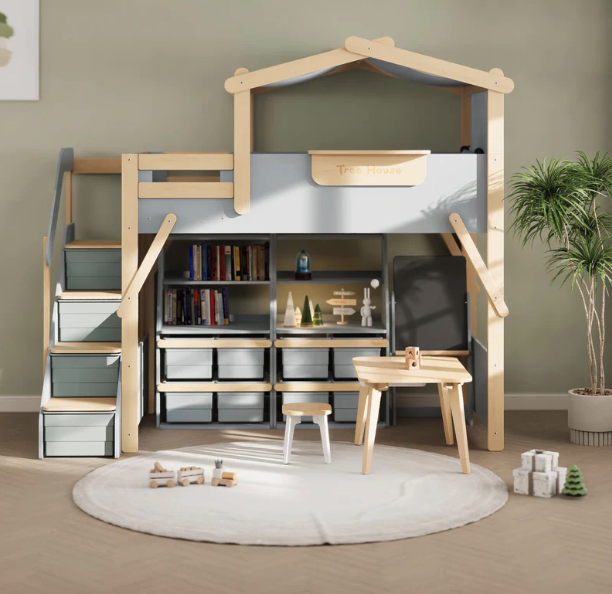
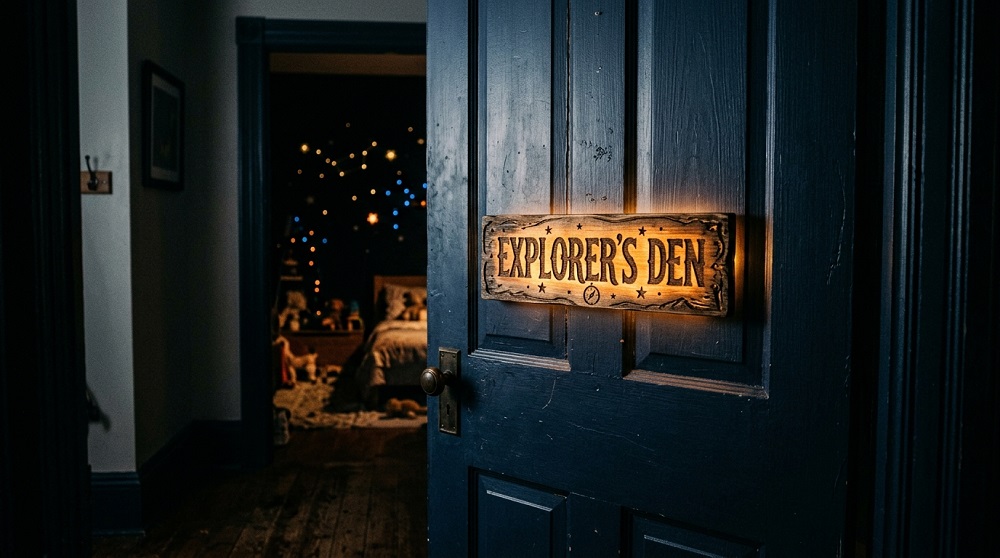
Kids respond beautifully to named spaces. A playroom becomes the adventure room or the den — and suddenly it carries a sense of imagination and ownership. Let your children have a say in naming their own space. It gives them something to grow into.
The Simple Rule
Look at each room and ask one honest question: what does this room actually do for the people in it? The answer is usually right there, waiting to become a name.
Your home already has a personality. Naming its rooms is simply how you introduce it properly.