————
Scroll through any streetwear feed right now and you'll notice a pattern: washed-out colors, boxy silhouettes, and fonts that look like they survived a decade in someone's attic. Retro apparel isn't a niche throwback anymore, it's the mainstream. And behind almost every one of those nostalgic product photos sits a humble but powerful tool — the t-shirt mockup.
Why Nostalgia Sells Right Now
Fashion moves in cycles, but this revival has staying power because it taps into something deeper than aesthetics. People are tired of overly polished, algorithm-optimized visuals. A slightly faded graphic tee feels honest, suggesting a story: a band tour, a summer camp, a garage sale find. Brands have caught on, and independent designers especially have leaned into this feeling because it's cheap to produce and easy to communicate through a single image.
That single image usually starts as a flat design file, then gets wrapped onto a realistic shirt template before it ever reaches a customer's screen. This is where the mockup process becomes essential rather than optional.
From Design File to Believable Product Shot
A print-on-demand seller launching a small vintage-inspired collection rarely has budget for a full photo shoot with models, lighting rigs, and a studio rental. Instead, they drop their artwork onto a pre-lit, professionally shot template and let the software handle shadows, fabric folds, and texture. Within minutes, a flat PNG becomes something that looks photographed on an actual person wearing actual cotton.
This is why so many small Etsy and Shopify stores rely on a T shirt mockup instead of commissioning new photography for every design drop. A single high-quality template gets reused across dozens of graphics, which matters when a seller is testing which slogan or illustration actually converts.
Real Ways Creators Use These Templates
The use cases go well beyond simple product listings. Some concrete, everyday examples include:
- Print-on-demand shops previewing new drops before ordering physical samples, avoiding wasted inventory on designs that might not sell
- Band and event merch tables showing fans what a limited-run shirt will look like before the tour even starts printing
- Freelance graphic designers presenting client work in portfolio decks, since a design on a flat background rarely sells the same way a worn-in tee does
- Small clothing brands building Instagram grids and email campaigns without booking a photographer for every single SKU
- Students and hobbyist designers testing typography and placement choices, checking how a design actually reads on a curved chest instead of a straight vector file
Each of these situations shares the same underlying problem: there isn't always time, money, or logistical ability to photograph a real shirt on a real body. A mockup closes that gap convincingly.
What Makes a Mockup Feel Authentically Retro
Not every template suits the vintage aesthetic equally well. The best ones for this trend tend to share a few traits:
- Slightly irregular fabric texture rather than perfectly smooth cotton
- Natural, off-center lighting instead of studio-flat exposure
- Casual poses or flat-lay angles reminiscent of old catalog photography
- Muted background tones that don't compete with faded print colors
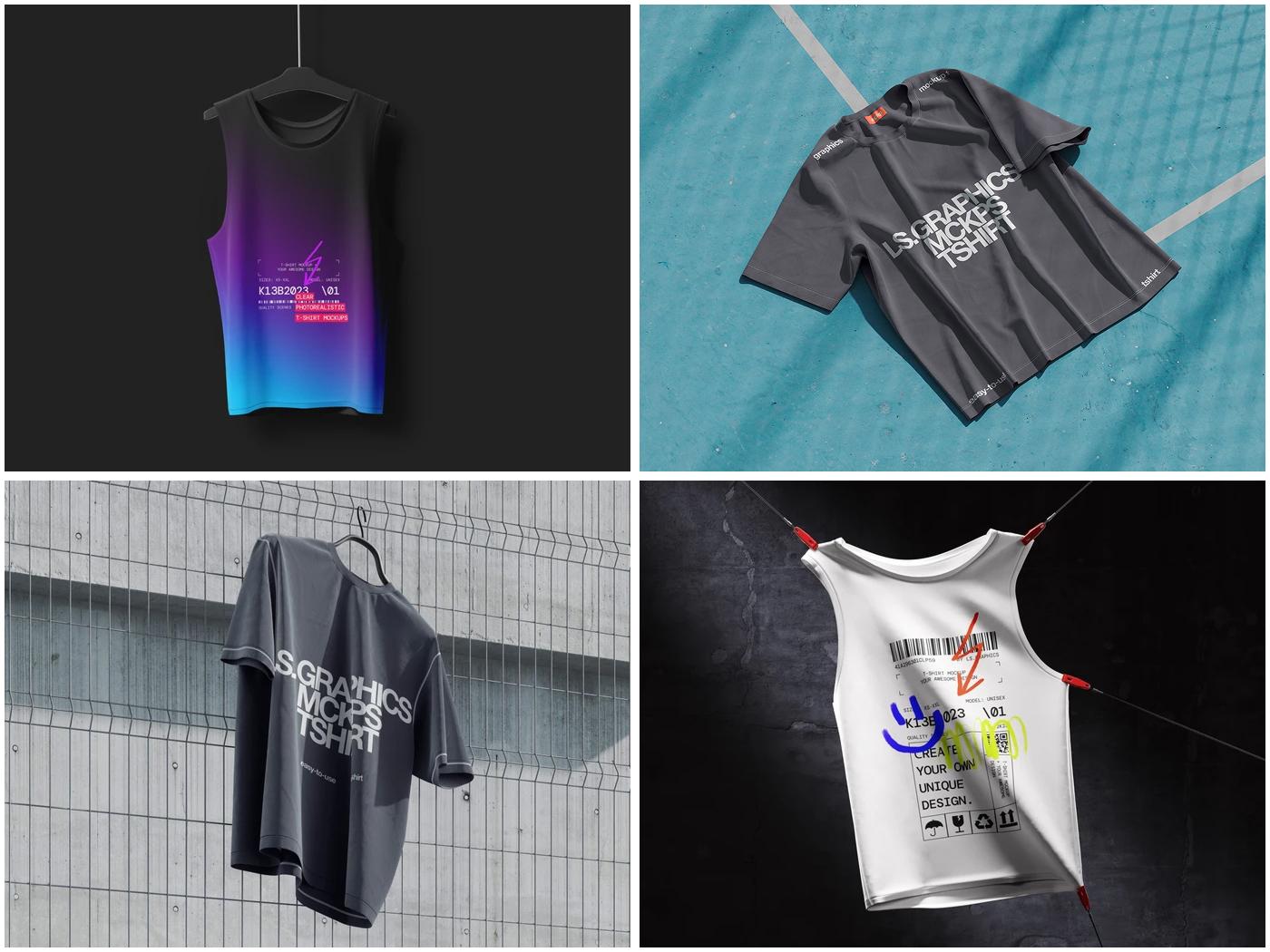
Designers chasing this look often browse curated resource libraries rather than generic stock sites, since lighting and styling quality varies wildly across free downloads. This is one reason studios like ls.graphics have built a following among independent apparel creators — the templates are shot with enough realism that a faded graphic doesn't look pasted on top of a photo, it looks printed into the fibers.
Practical Considerations Before You Choose a Template
Before committing to a mockup for a full product line, it helps to check a few things. File format matters, since layered PSDs allow far more control over placement than a flat JPEG preview. Resolution matters too, especially if the final image will be used in print catalogs or large banner ads rather than just social posts. And licensing terms deserve a quick read, because not every free download is cleared for commercial resale, even if it looks generic enough to assume otherwise.
Where This Trend Goes From Here
Retro style isn't likely to fade anytime soon, partly because it's cyclical by nature and partly because the tools for producing convincing vintage product photography have gotten so accessible. What used to require a real shoot, a real model, and real garment samples can now be tested digitally in an afternoon. For small brands and independent designers, that shift is less about following a trend and more about survival — iterating quickly, presenting professionally, and competing visually with much bigger companies on a fraction of the budget.
The nostalgia might be borrowed from the past, but the way it's being produced and marketed is entirely modern.